 CarFlow AI
Car Showroom Background — A Virtual Showroom for Your Whole Inventory
Photograph cars where they stand and publish them inside a showroom. The AI places each vehicle in an architectural scene with a real floor, a cast shadow and lighting that matches, so a lot of forty cars looks like one showroom visit.
No card required. Free trial on signup.
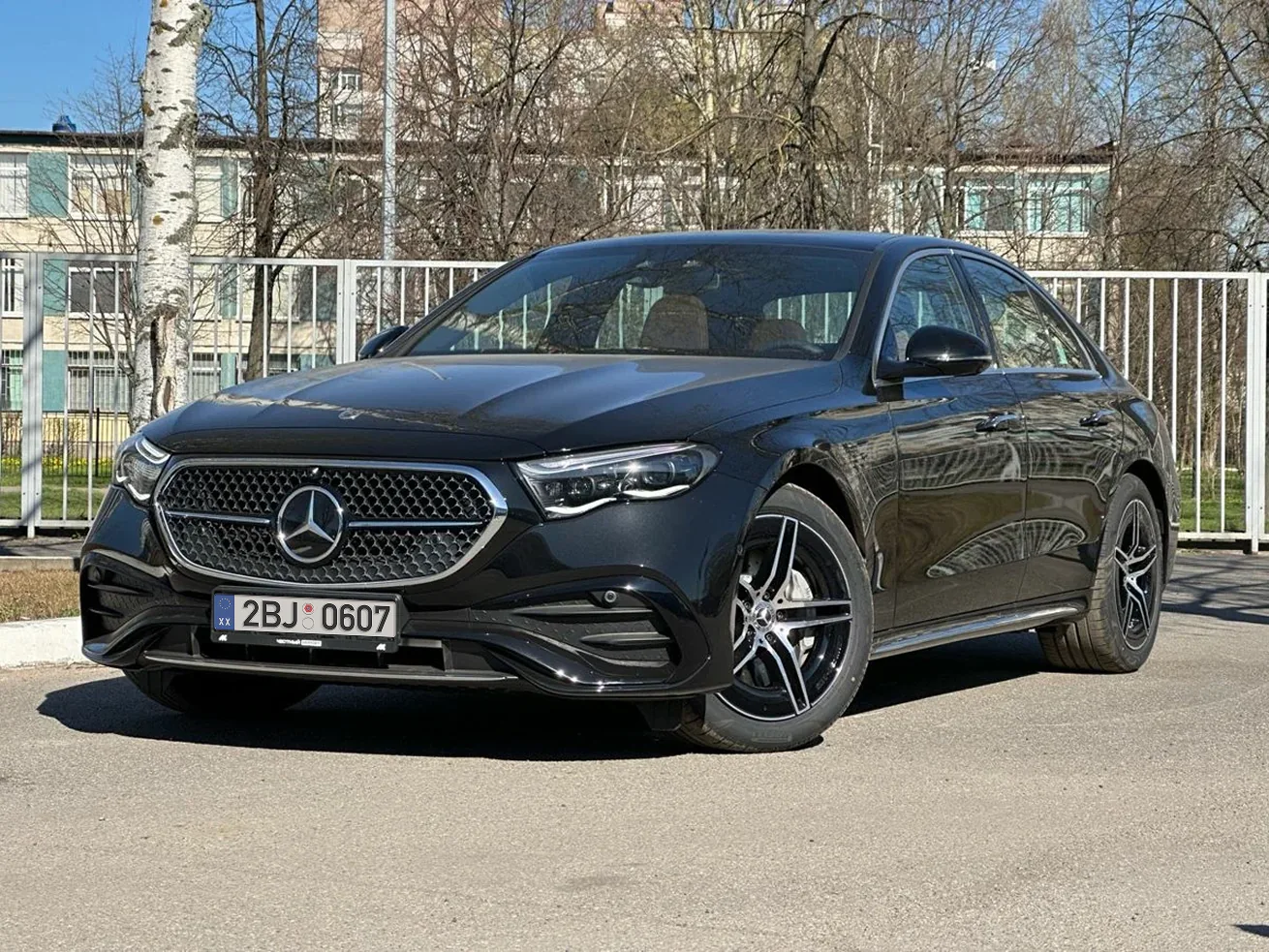
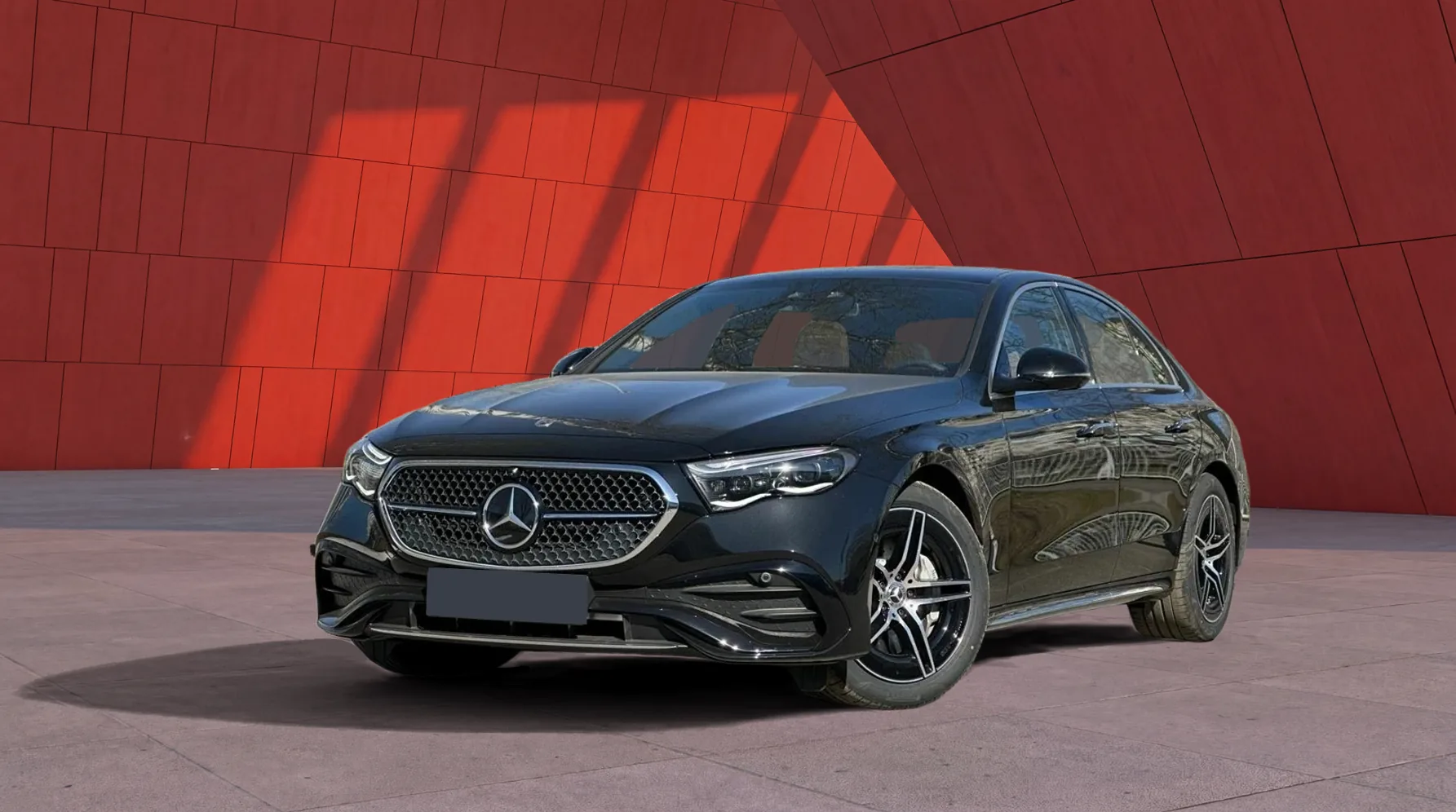
One lot photo, one showroom scene. The floor, the shadow and the light on the paint belong to the new room, not the old parking space.
Showroom scenes built for car inventory
These are rooms, not backdrops: each one has a floor with perspective, walls with depth and a fixed light direction, so a car placed inside looks parked rather than pasted.
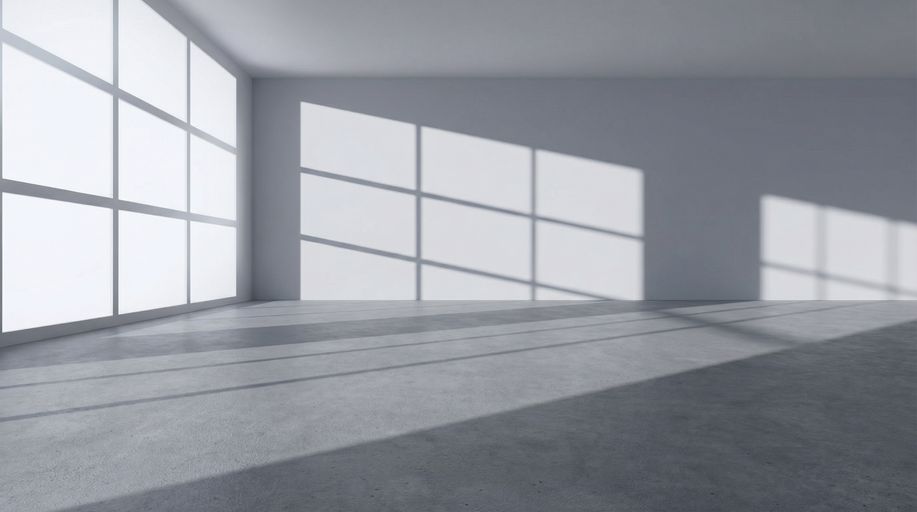
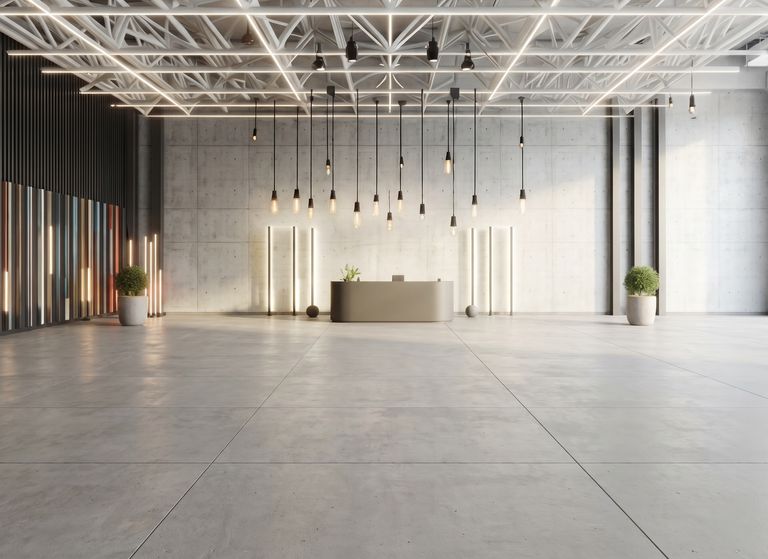
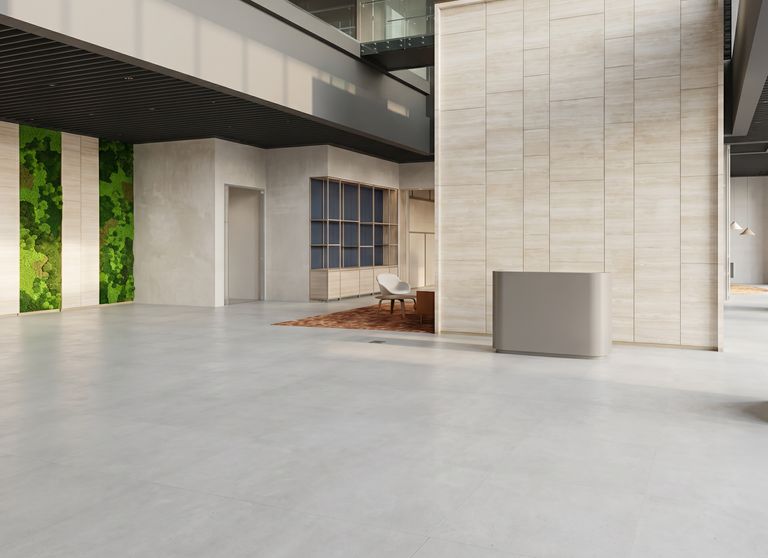
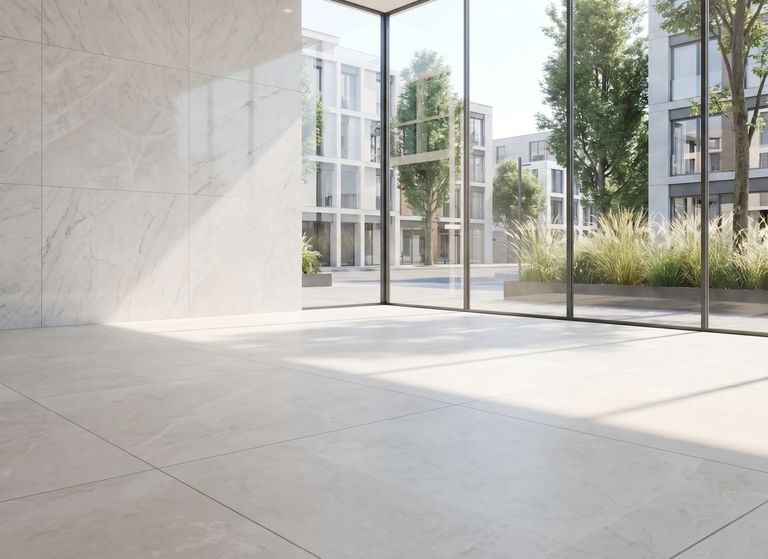
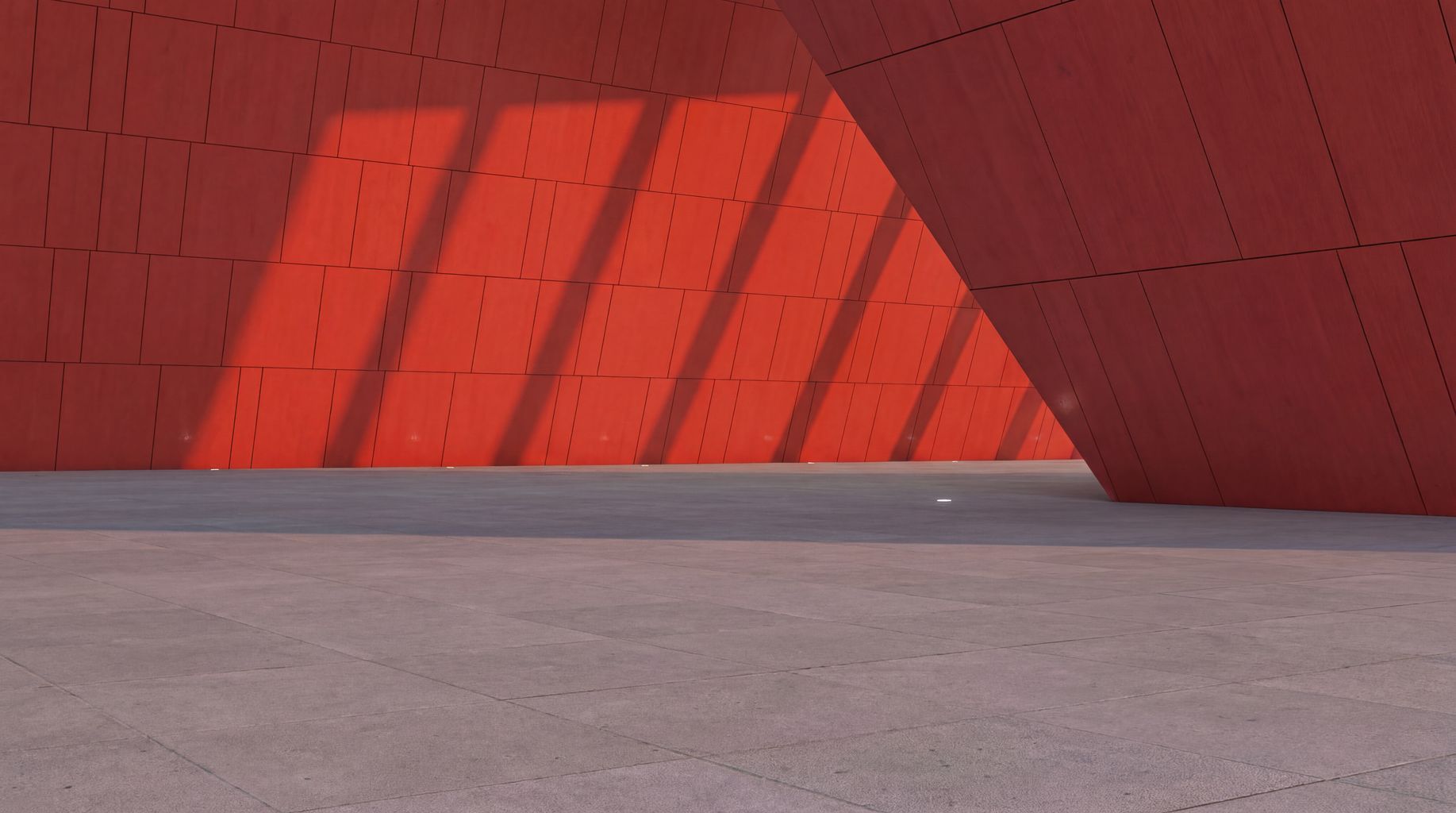
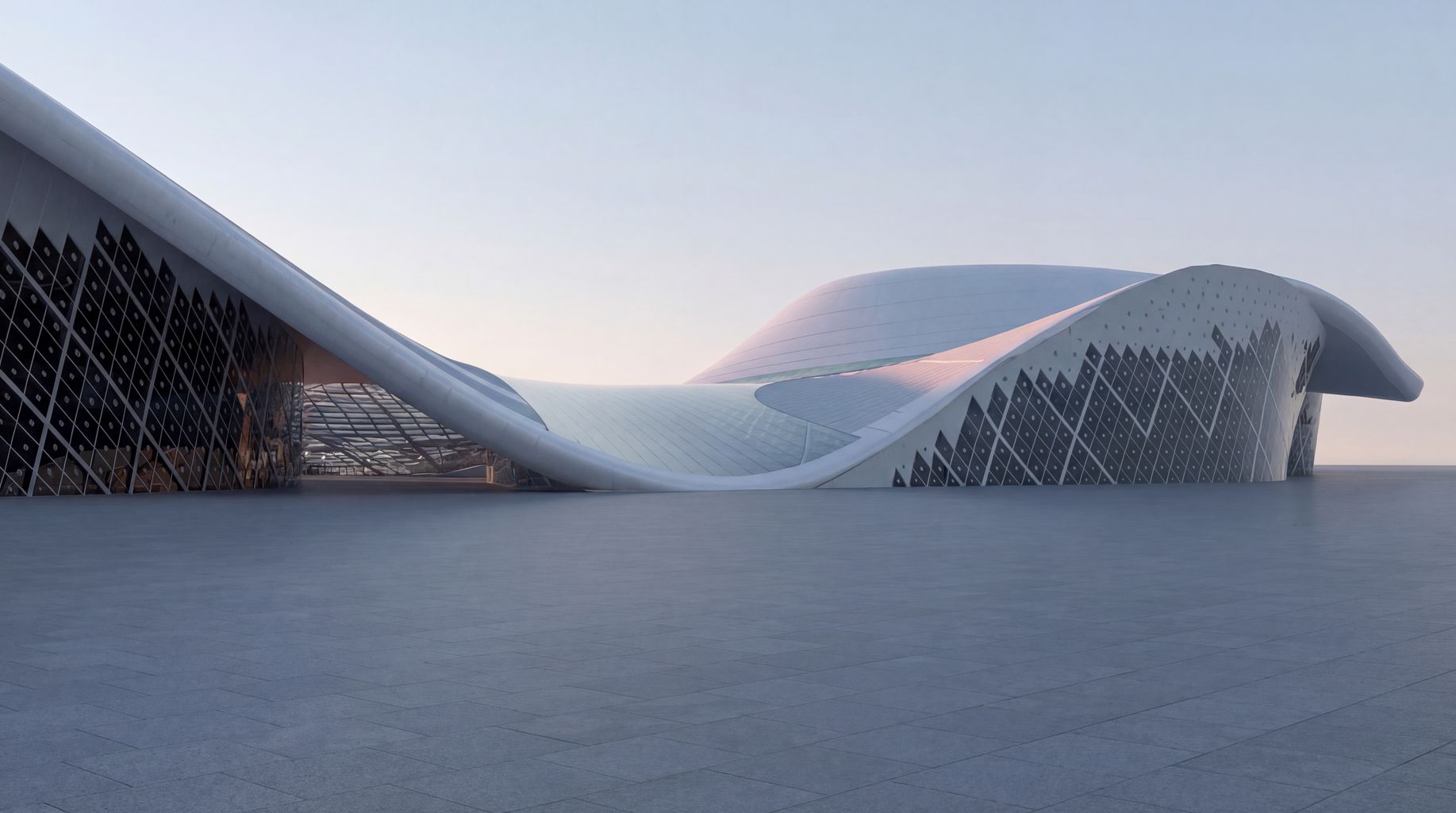
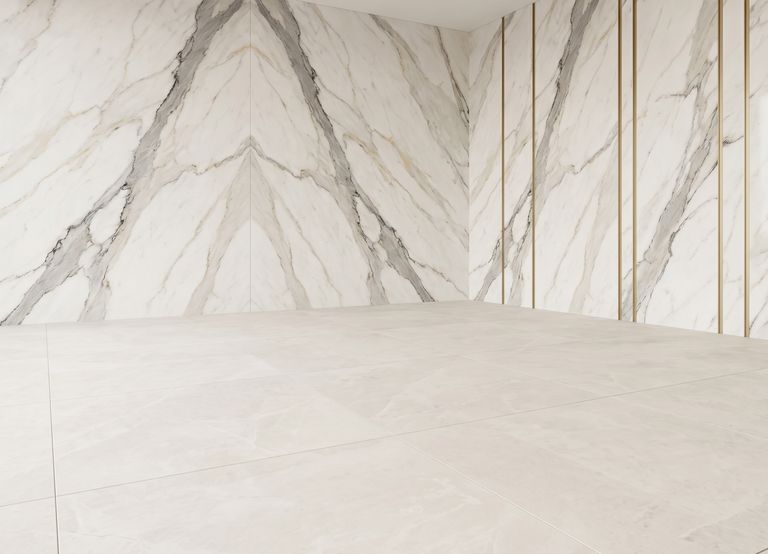
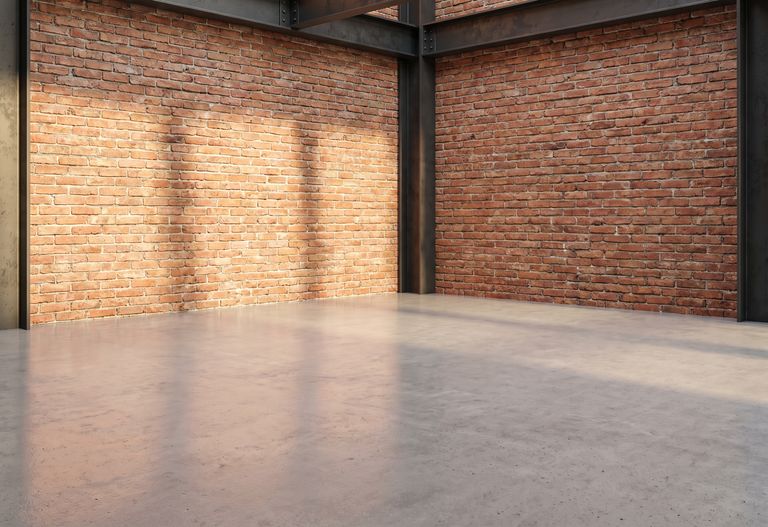
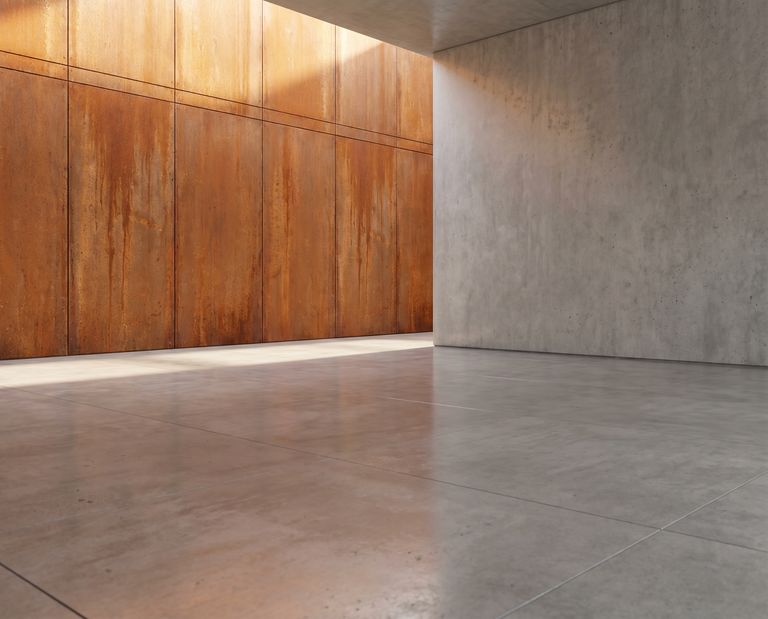
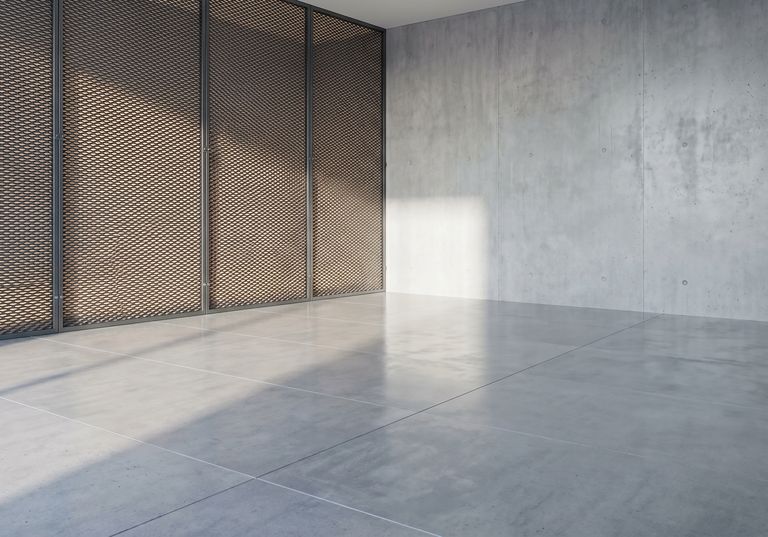
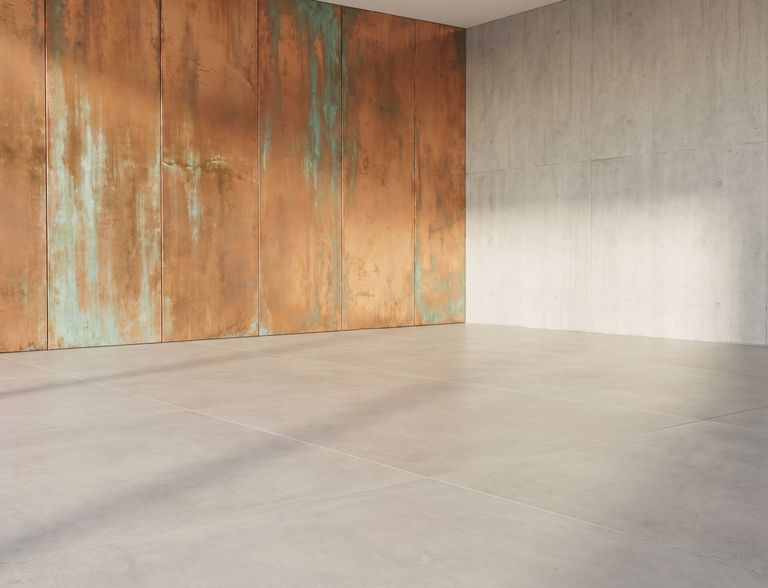
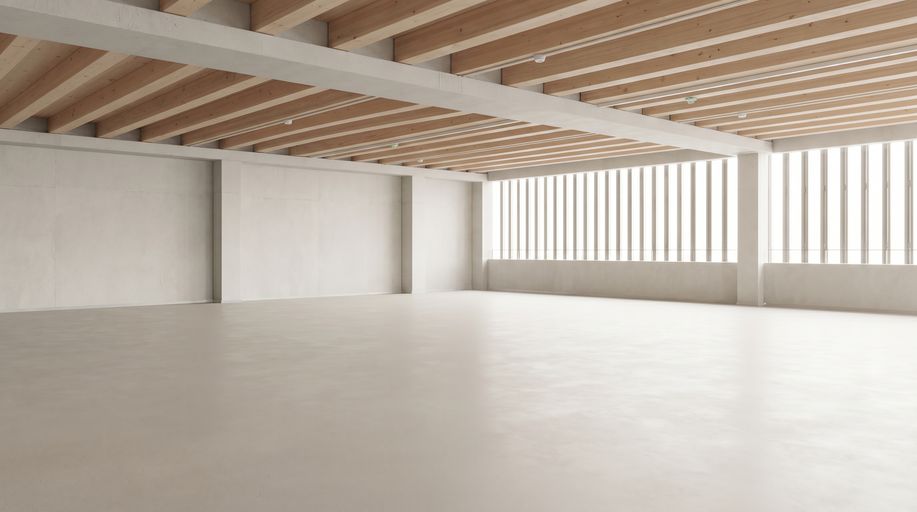
Every scene is delivered at full resolution and works across front, rear and three-quarter angles, so a walk-around of one car stays inside one room.
From the lot to a virtual showroom
A showroom background isn't a wallpaper behind the car. The room has a floor the car stands on, a light direction, and a scale — all three have to agree with the photo, and the pipeline handles all three.
Shoot on the lot, upload as is
Walk the inventory with a phone and photograph each car where it's parked. Up to 25 photos per vehicle, straight from the camera roll.
The vehicle is lifted out of the lot
Body, wheels and glass are segmented separately. The neighbouring cars, the fence and the sky are gone — including what they reflected in the windows.
Choose the showroom
Window hall, concrete showroom, sunlit atrium, modern lobby — pick one room for the whole stock so every listing opens on the same floor.
Export the inventory
Each car is placed on the room's floor plane with a shadow cast to match the scene's light. Plates are blurred and your logo is placed on the way out.
Where a fake showroom gives itself away
Buyers have seen thousands of dealer photos and can tell a real showroom from a car dropped on a picture of one without being able to say why. The tells are always the same four.
- Two different floors
- The car was photographed on asphalt tilted one way; the showroom floor recedes another. The wheels sit at an angle the room doesn't have. Our scenes are built for the height and angle a person shoots a car from, so the floor under the tyres is the room's floor.
- Light from the wrong side
- A showroom with tall windows on the left and a car lit from the right reads as a composite instantly. The generated shadow follows the scene's light, and the scenes themselves are lit evenly enough to absorb a typical outdoor photo.
- The old lot in the windshield
- Nothing breaks the illusion faster than a chain-link fence visible through the side glass of a car supposedly standing in an atrium. The glass is cleared before the car enters the room, so the room shows through it instead.
- Every car a different size
- When each photo is placed by hand, cars come out at different scales and heights in the same room. Here the placement is computed from the car's footprint, so a hatchback and an SUV sit on the same floor at their real proportions.
What a showroom export includes
Everything a dealer feed needs is produced in the same pass — nothing goes to a second tool.
Vehicle isolated from the lot
Neighbouring stock, kerbs, signage and reflections in the glass are removed; thin parts like antennas and mirror stalks stay.
Shadow cast on the showroom floor
A contact shadow generated from the car's underbody and the scene's light, so the tyres grip the floor of the room.
Floor reflection on request
Switch on a faint mirrored reflection for polished-floor rooms; leave it off for concrete and stone.
Plate blurred or branded
Registration plates are found and blurred on every angle, or overlaid with a dealership plate carrying your logo.
Dealer logo placed
Your logo in the same corner on every photo of every car, so the inventory reads as one brand.
Feed-ready resolution
Exports sized for dealer management systems, AutoTrader, Mobile.de, Facebook Marketplace and your own inventory pages.
Who runs a virtual showroom
Franchise and independent dealers
Present used stock with the same polish as the manufacturer's press photos, without a studio on the premises.
Dealer groups and marketplaces
Enforce one showroom across dozens of locations so the group's inventory looks like a single collection.
Inventory photographers
Deliver showroom sets from a lot walk-around instead of scheduling each car into a bay.
Rental and subscription fleets
Keep fleet pages consistent as vehicles rotate in and out at different branches.
Remarketing and auctions
Give off-lease and trade-in vehicles the showroom presentation that lifts bids on auction platforms.
OEM and importer campaigns
Place a full model range in one architectural scene for a launch page or a brochure without a location shoot.
Building a showroom vs. renting one vs. rendering one
A dealer who wants showroom photos has three real options: photograph inside an actual showroom, composite by hand, or generate the room. The rows below are what each one costs in practice.
| Consideration | Real showroom or photo bay | Hand compositing | CarFlow AI virtual showroom |
|---|---|---|---|
| Set-up | Floor space, lighting rig, backdrop upkeep | An editor with a scene library | None — scenes are built in |
| Moving the cars | Every car driven into the bay and back | No moving, but every photo placed by hand | Cars stay where they're parked |
| Scene consistency | One bay, one look — if the lighting is kept constant | Drifts with the editor's judgement | Identical room, floor and light on every car |
| Floor and shadow | Real, but needs a large clean floor | Painted; rarely matches on all angles | Computed per photo from the car's footprint |
| Cost at 100 cars a month | Bay time plus a photographer's days | Tens of editing hours | A monthly plan, from $8.99 for 150 tool runs or 150 fully edited photos |
| Windows and reflections | Studio lights reflect in the paint and glass | Cleaned one pane at a time | Glass cleared and tinted automatically |
Lot photography that drops cleanly into a showroom
The scene does the heavy lifting, but the input decides how convincing the room is. Six habits for the walk-around.
Pull the car out of the row
Even half a car length of clear space around the bumpers keeps neighbouring vehicles from overlapping the outline.
Shoot at hip height
The showroom floors are built for a camera held around waist to chest height — the angle a person naturally uses on a lot.
Same distance for every car
Step back the same number of paces for each vehicle so the set comes out at a consistent scale inside the room.
Avoid direct sun across the paint
Hard sunlight leaves a second light direction on the body that fights the showroom's. Shade or overcast is safer.
Wipe the glass and the paint
Dust on a windshield survives the swap; a wiped car looks like it was detailed for the showroom.
Shoot the full walk-around
Front three-quarter, side, rear three-quarter, rear — the same room on all of them is what makes the showroom believable.
What makes a showroom background work for car inventory
A showroom background is a promise to the buyer: this dealer takes care of its cars. It only works if the promise survives close inspection, and close inspection is exactly what a buyer does when a car costs as much as a year's salary. A background that is merely behind the car is not enough; the car has to be in the room.
Being in the room means three things line up. The floor plane of the scene has to pass under the tyres at the angle the photo was taken from. The shadow has to fall the way the room's light would cast it. And the glass has to show the room, not the lot the car was photographed on. CarFlow AI computes all three from the photo itself — the car's footprint sets the placement, the scene's light sets the shadow, and a separate window segmentation clears the glass before the car goes in.
Done for one car, that's a nice photo. Done for the whole inventory with the same scene, it turns a used-car lot into a brand: every listing opens on the same floor, under the same light, with the same plate and the same logo. That consistency, more than any single image, is what a virtual showroom is for.
Showroom background questions
A virtual showroom is an architectural scene — a hall, an atrium, a lobby — that a car photographed elsewhere is placed into, with the floor, shadow and lighting computed so the car appears to stand in that room. Dealers use it to present stock with showroom polish without owning a showroom or moving cars into one.
Among others: a window hall, a concrete showroom, a sunlit atrium, a modern lobby, a red architectural edge, a wave pavilion, a Calacatta-and-brass gallery, brick and beams, corten steel and concrete, a mesh wall, copper patina and a modern parking structure. New rooms are added regularly, and any of them can be set as the default for your inventory.
Yes — that's the intended use. Choose one room and it's applied to every car and every angle, with placement computed per photo so vehicles of different sizes sit on the floor at their true proportions. The result is an inventory that reads as one showroom.
The scene has a known floor plane, and the car's footprint in the photo sets where it lands on that plane. A contact shadow is then generated from the underbody and the scene's light direction, so the tyres visibly meet the floor. You can add a faint floor reflection for polished rooms.
Windows are segmented separately from the body and cleared before the car is placed, then tinted so the showroom shows through the glass. The neighbouring cars, fence or sky that were behind the glass in the original don't come along.
No. Photograph each car where it's parked with a phone, ideally in shade or overcast light so the paint doesn't carry a hard second light source. The room, the floor and the shadow are added afterwards.
Yes. Upload up to 25 photos per car; each angle is placed in the same room, so a buyer flipping through a listing stays inside one showroom.
Plates are detected on every angle and blurred automatically. Alternatively, a dealership plate with your logo can be placed over the registration on every photo.
Yes. Set the logo and the corner once and it's applied identically to every export, so the inventory carries your brand in the same place on every image.
Listing resolution suitable for dealer management systems, AutoTrader, Mobile.de, Facebook Marketplace and your own site. Upload full-size originals — the sharper the source, the cleaner the placement.
Plans start at $8.99 a month for 150 tool runs or 150 fully edited photos, and new accounts get a free trial to try the showroom on real stock before paying. There's no set-up fee and no per-scene charge.
Yes. Interior photos go through a dedicated flow that handles what's visible through the windows from inside, so the exterior view through the glass matches the showroom the rest of the set is in.